
Is Flying in Winter Safe? A Pilot on Snow, Ice and De-icing
Nov 10, 2026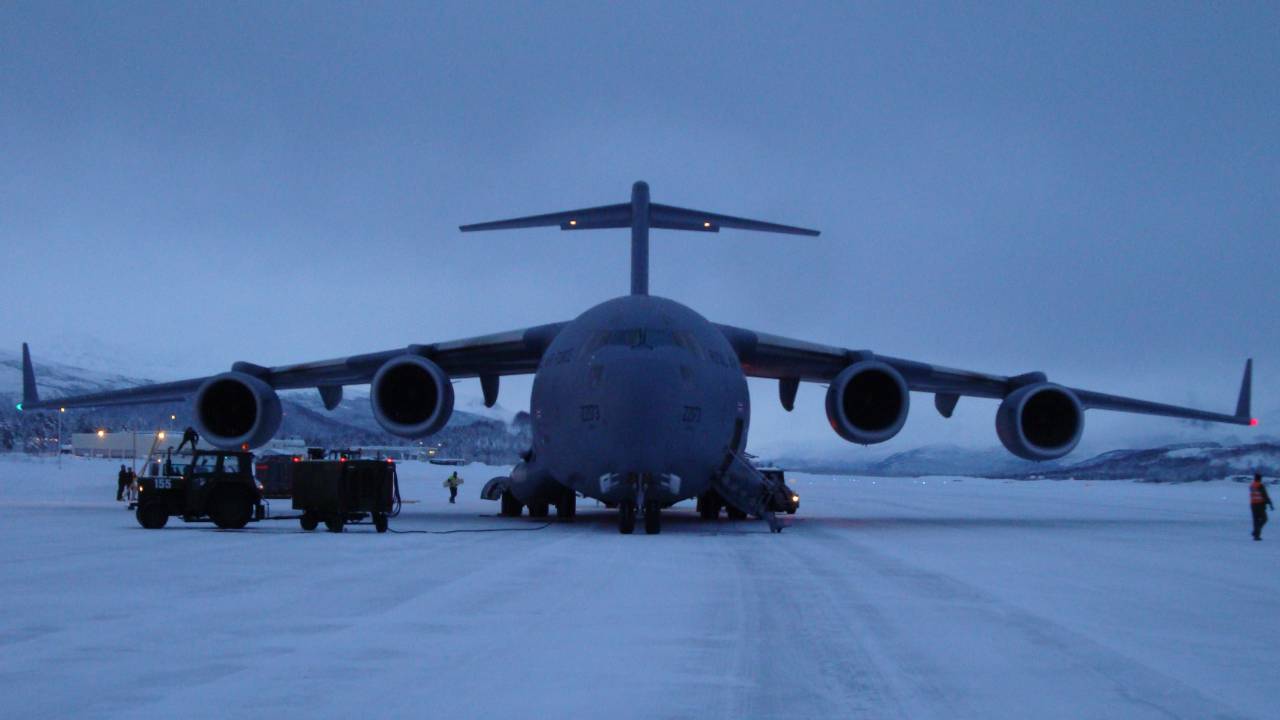
Hi, I’m Flyman Simon, airline captain and fear of flying coach.
Whether you’re heading off skiing, flying home for Christmas or chasing some winter sun, there’s a myth that keeps nervous flyers worried every year. It goes something like this: “Winter weather makes flying dangerous. Ice, snow and freezing temperatures mean more risk.”
If that thought has ever crossed your mind, let me stop you right there. Winter flying is just as safe as any other time of year. Here’s why.
Is It Safe to Fly in Winter?
Yes. Your winter flight is surrounded by layers of preparation, technology and training designed specifically for these conditions. Airlines and airports plan for winter months in advance, with entire playbooks ready long before the first snow falls.
I’ve seen this from every angle. As Duty Director of Operations, I was on shift during some of the worst winter weather events, and I can tell you that nothing about winter catches the industry by surprise.
Can Jet Fuel Freeze at High Altitude?
This is one of the most common worries I hear. It sounds logical: we’re cruising miles above the earth where it’s freezing cold, so surely the fuel must freeze?
Not even close. Jet fuel is specially formulated to stay liquid down to minus 47°C. That’s more than twice as cold as your household freezer. We also keep a close eye on the fuel temperature throughout the flight, so even in the coldest winter skies your engines get a smooth, uninterrupted supply.
Why Is My Plane Being De-iced?
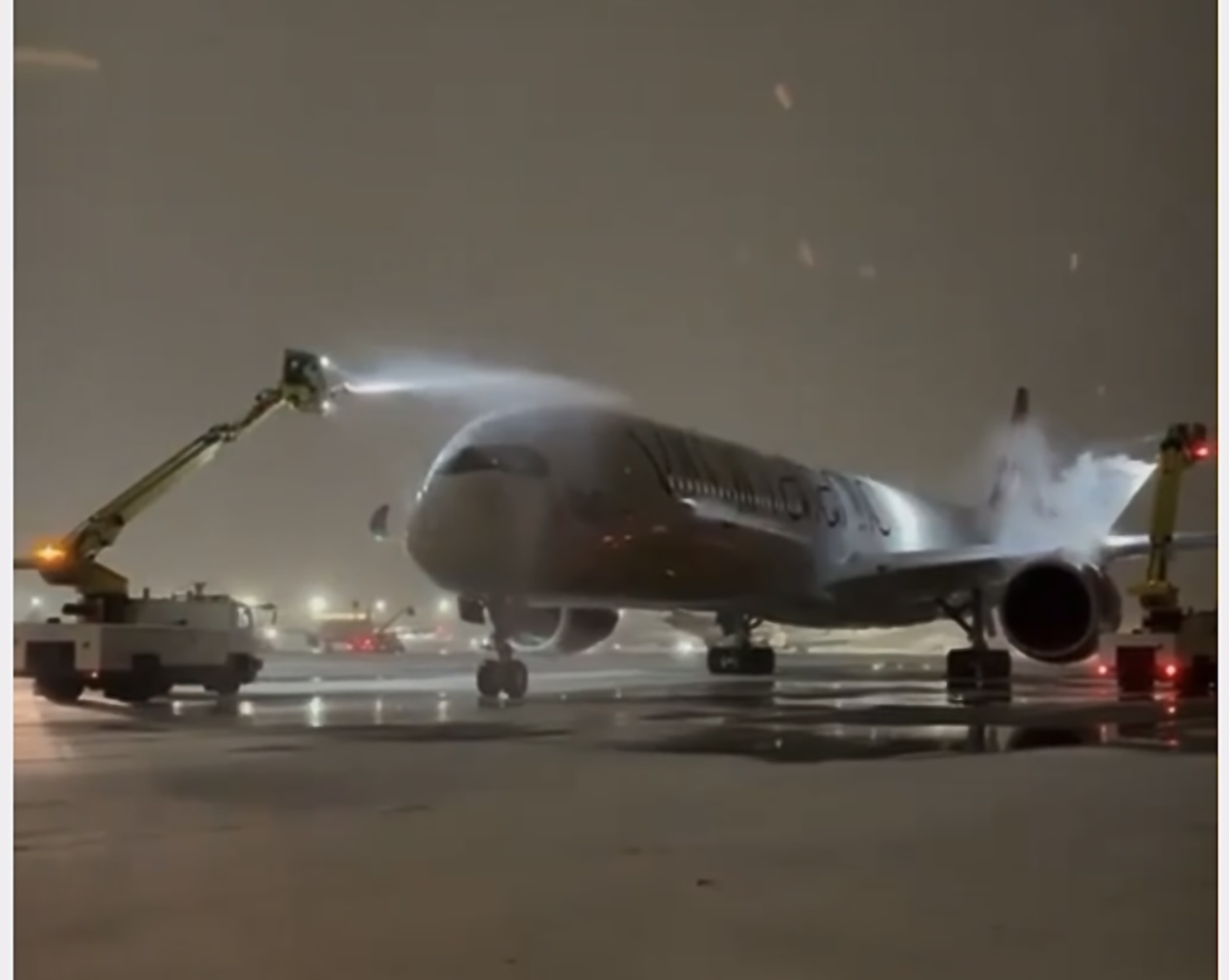
If you see the aircraft being sprayed before take-off, that’s de-icing, and it’s a good sign. Any snow, ice or frost is washed off the aircraft, and a protective fluid helps stop more building up before we take off. It can add a few minutes to your departure, but it’s one of the most carefully managed parts of a winter flight.
Is Winter Flying Bumpier?
Flying is safe in winter and summer alike, but each season has its own pros and cons.
In summer, a lot of the bumps come from thermals, warm air rising from the ground, and from all the extra energy in the atmosphere that builds summer thunderstorms. In winter you get far less of that.
Winter weather can bring strong, gusty winds, especially as we come in to land, so it can feel a little bumpier lower down. Higher up, at medium and cruising levels, it’s often smoother. Either way, it’s nothing the aircraft isn’t built for, and nothing we don’t train for.
How Do Airports Keep Runways Safe in Snow and Ice?
Runways are grooved to help water drain away, cleared by dedicated snow teams, treated when needed, and tested regularly so the pilots know exactly what the surface is like before we land or take off.
Snow is nothing new to us. During my time in the RAF, we flew our Boeing C-17s to Bardufoss in northern Norway for winter operations training, where the runway was cut five to six feet down through the snow. That’s what we’d call proper snow operations.
Can Pilots Land If They Can’t See in the Snow?
Yes. In heavy snow or low visibility, we use systems that guide the aircraft precisely down to the runway, and we train for these approaches regularly in the simulator.
Can Ice Build Up on the Wings in Flight?
Aircraft have ice protection built in. When we fly through conditions where ice could form, we switch it on to keep the critical parts of the wings and engines clear. It’s routine, and it’s part of every winter flight plan.
Quick Answers
Is it safe to fly in snow?
Yes. Airports and airlines are fully prepared for snow, and the aircraft is de-iced before take-off when needed.
Can jet fuel freeze?
No. It’s designed to stay liquid down to minus 47°C, and pilots monitor its temperature throughout the flight.
Why do winter flights get delayed?
Usually de-icing, or snow clearing at the airport. Both are there to keep you safe, not signs that something is wrong.
Get My Free Winter Weather Handbook
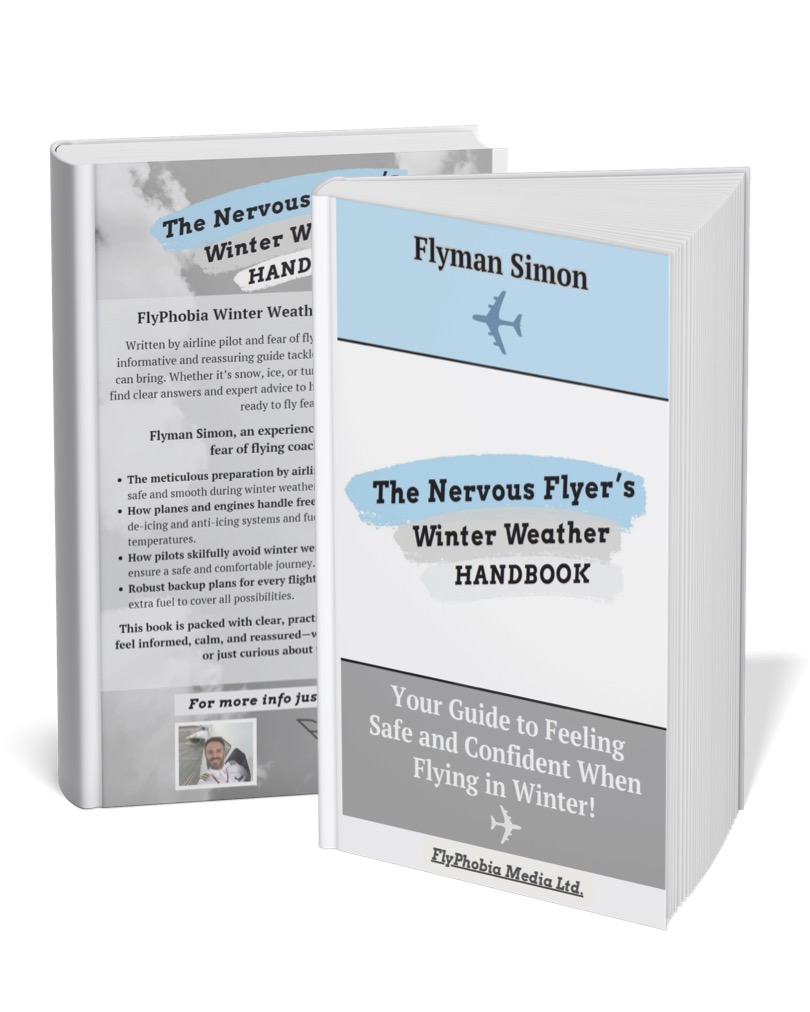
If you’ve got a winter flight coming up, I’ve written The Nervous Flyer’s Winter Weather Handbook just for you. It covers all of this and more: the preparation, the technology, the training, and the real facts about winter flying that replace the fear stories. It’s free when you join my weekly FlyPhobia newsletter, along with Is Flying Safe Right Now?
> 🛫 Get Your FREE Winter Weather Handbook HERE 🛫 <
And if you want more reassuring reads, there are plenty of my Fear of Flying Blogs waiting for you. Just click the ‘Blog’ link at the top of the page and dive in.
Fly Happy, Fly Safe!
Simon
Captain Flyman Simon
Join Over 10,000 People Learning to Fly Calmer
Get started today 🛫👇
